
Billing built around your specialty, not around a generic template.
Reveno MD covers 30 medical billing specialties nationwide, regardless of practice size or type. Your claims are worked by coders who already know your modifiers, bundling rules and payer policies.
- 0Specialties covered
- 0Clean claim rate
- 0Average revenue lift
- 0Day avg. A/R turnaround
Find your specialty
Filter by category or search by name. Each specialty has its own coding team, its own denial checklist and its own payer playbook.
30 of 30 specialties shown

Fracture care, arthroscopy and joint replacement billed with the global periods tracked correctly.
Read the full breakdown
Renal billing specialists who handle dialysis encounters, transplant care and chronic kidney disease coding.
Read the full breakdown
Streamlined PT billing with correct modifiers, 8-minute rule compliance and authorisation tracking.
Read the full breakdown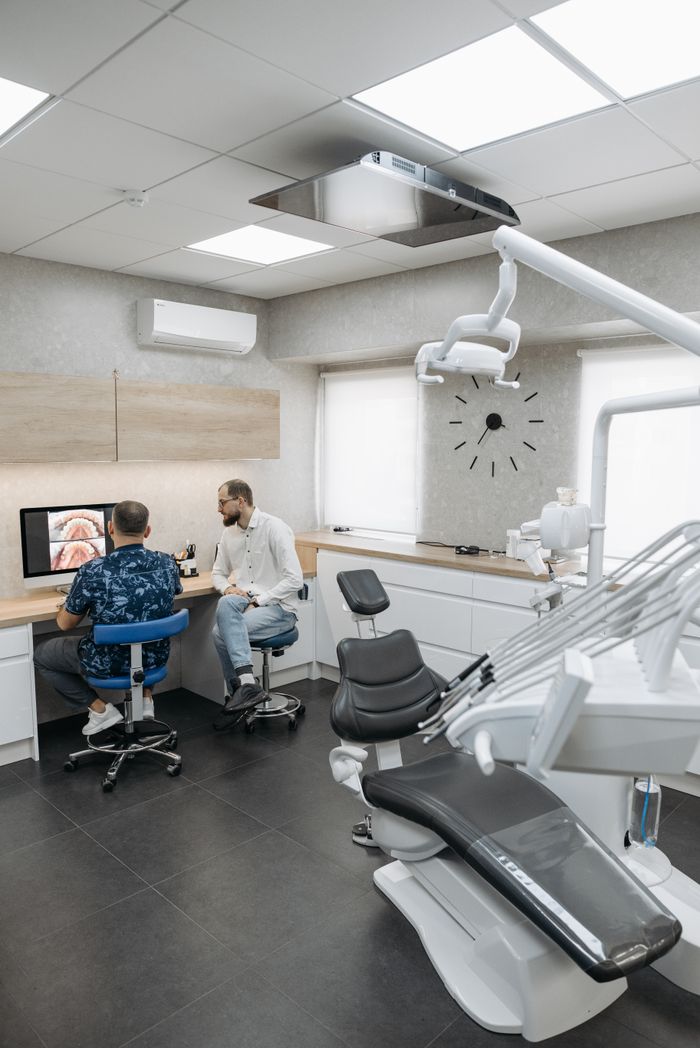
Certified urology coders manage everything from charge capture to collections, including robotic surgery.
Read the full breakdown
High-volume oncology claims handled with accuracy, from wastage reporting to infusion sequencing.
Read the full breakdown
TC and 26 splits, cath lab bundling and device interrogation coding handled by cardiology coders.
Read the full breakdown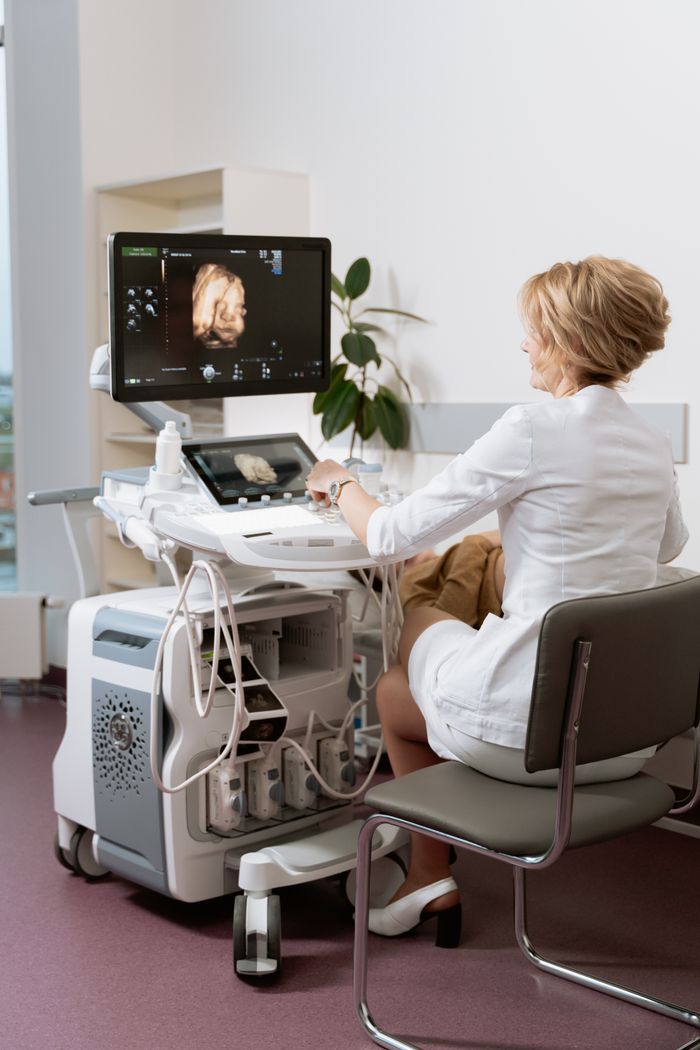
From prenatal visits to surgical procedures, global packages and ultrasound modifiers kept clean.
Read the full breakdown
Quick care needs quick claims. Same-day charge capture that keeps urgent care cash flow healthy.
Read the full breakdown
High patient volumes and detailed dermatology codes handled with ease.
Read the full breakdown
Built for pediatric practices: vaccine administration, well-child schedules and Medicaid accuracy.
Read the full breakdown
Coders trained on the complex codes of newborn care, from hospital care to critical care days.
Read the full breakdown
Pathology billing focused on accuracy and compliance, so your lab captures maximum reimbursement.
Read the full breakdown
Support for intensive care providers with accurate time documentation and full compliance.
Read the full breakdown
Complex pain management covered, from chronic care to interventional procedures with guidance.
Read the full breakdown
We address the challenges of endocrinology coding, including CGM, pumps and diabetes education.
Read the full breakdown
One service, many conditions. We make family medicine billing simple and predictable.
Read the full breakdown
Simplified mental health billing tailored to therapy and psychiatry practices.
Read the full breakdown
Experienced in all GI procedures, including screening versus diagnostic colonoscopy rules.
Read the full breakdown
ENT billing demands specialty expertise. Accuracy across surgical and in-office claims.
Read the full breakdown
From cleanings to crowns, we streamline dental billing for faster payments and fewer errors.
Read the full breakdown
We simplify the complexities of DME billing, ensuring compliance and speedy reimbursements.
Read the full breakdown
We understand the nuances of chiropractic coding. Fewer denials, better documented necessity.
Read the full breakdown
Comprehensive support for primary care, including care management revenue most practices never bill.
Read the full breakdown
Support for high-complexity neurosurgical claims and multi-level procedure sequencing.
Read the full breakdown
From pre-op to recovery, we handle all phases of anesthesia billing.
Read the full breakdown
Specialised support for pulmonology billing, with fewer denials on testing and sleep studies.
Read the full breakdown
Diagnostic imaging billed with the professional and technical split handled correctly, in every setting.
Read the full breakdown
Long evaluation visits, complex diagnostic testing and infusion therapy coded to the documentation.
Read the full breakdown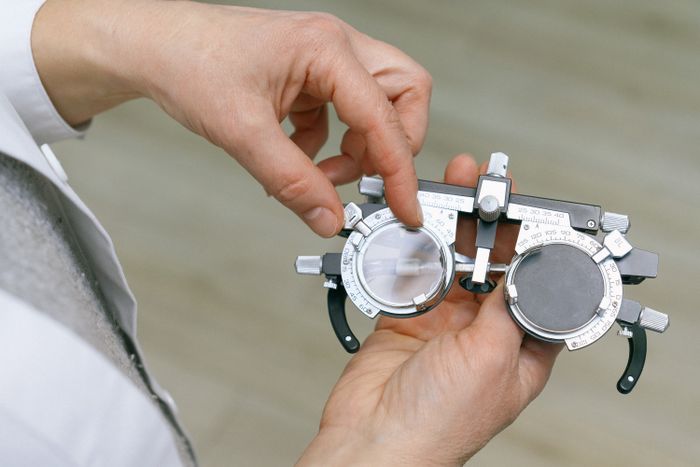
Exams, imaging and surgical procedures billed under the right code set, in the right sequence.
Read the full breakdown
Nail and callus care, wound care and forefoot surgery billed against the coverage rules that decide payment.
Read the full breakdownNo specialty matched that search. Try a different word, or contact us and we will confirm coverage.
Every specialty explained, right here
Open any specialty to see exactly what we bill for it and the denial traps we prevent. No separate pages, no hunting around.

Orthopedics is a global period specialty. Almost every claim is tied to a surgical package, and the money is won or lost on what falls inside that package and what is separately reportable. Fracture care, injections and post-operative visits are the three places practices leak the most.
What we bill for Orthopedics
- Fracture and dislocation care, open and closed, with and without manipulation
- Arthroscopy of knee, shoulder, hip and ankle
- Total and partial joint replacement, plus revision procedures
- Joint, tendon sheath and trigger point injections with guidance
- Casting, splinting and DME or bracing supplied in office
- In-house physical therapy and X-ray with correct component billing
Denial traps we prevent
- Post-operative visits billed inside the global period without modifier 24
- Modifier 58, 78 and 79 used interchangeably on staged or unplanned returns
- Fracture care billed as an evaluation and management visit, or the reverse
- Bilateral procedures reported without modifier 50 or the payer equivalent

Nephrology billing is not simple. From dialysis sessions and chronic kidney disease management to transplant-related claims, every procedure demands precise coding and payer-specific documentation. Missing a modifier, misplacing a code or missing a billable opportunity can mean thousands in lost revenue, or worse, compliance penalties.
What we bill for Nephrology
- Monthly capitation dialysis codes 90951 to 90970, tiered by visit count and patient age
- Home dialysis training, supervision and self-care support
- Vascular access creation, revision and declotting procedures
- CKD evaluation and management coded to the documented stage
- Kidney transplant pre-operative and post-operative care
- Chronic care management, transitional care management and remote patient monitoring
Denial traps we prevent
- Wrong MCP tier billed because face-to-face visit counts were not tracked
- ESRD Prospective Payment System bundling applied incorrectly
- Place of service errors on home versus facility dialysis
- CKD stage not documented well enough to support the code billed

PT billing is complex, with authorisations, modality-specific codes, time-based billing, frequent documentation requirements and payer-specific rules. Most first-pass denials trace back to a missing modifier or an incorrectly counted timed unit.
What we bill for Physical Therapy
- Therapeutic exercise 97110, manual therapy 97140 and therapeutic activities 97530
- Neuromuscular re-education 97112 and gait training 97116
- Electrical stimulation, ultrasound and other supervised modalities
- PT evaluations coded by complexity, plus re-evaluations
- Dry needling, aquatic therapy and group therapy where covered
- Authorisation requests, verification, tracking and extensions
Denial traps we prevent
- 8-minute rule miscounted, so units billed do not match documented time
- GP modifier missing on therapy claims that require it
- 59 or XU missing when 97140 is billed with 97530 on the same day
- Authorisations expiring mid plan of care and visits written off
If your cystoscopies, biopsies or stone procedures are not reimbursing correctly, you are losing money every single day. Urology billing requires specialty expertise that general billers simply do not have: bundling rules, component splits and global period tracking decide whether you keep what you earned.
What we bill for Urology
- Cystoscopy: diagnostic, with biopsy and with fulguration
- Urodynamic studies, simple and complex
- TRUS-guided prostate biopsy and lithotripsy
- Ureteroscopy, PCNL, TURP and TURBT
- Robotic prostatectomy, nephrectomy and bladder reconstruction
- Sling procedures, penile prosthesis and artificial sphincters
- In-office labs under a valid CLIA certificate
Denial traps we prevent
- Modifier 59 applied incorrectly on bundled procedures
- Global period violations triggering automatic denials on post-op visits
- Modifier 78 or 79 missing on return-to-theatre scenarios
- CLIA validity not checked before in-office lab claims go out

Oncology billing is not regular billing. It is high-risk, high-volume, modifier-heavy and utterly unforgiving. Drug unit conversions, NDC formatting and infusion sequencing errors quietly wipe out thousands every month before anyone notices.
What we bill for Oncology
- Chemotherapy infusion: initial, subsequent, sequential and concurrent, 96360 to 96417
- Oral chemotherapy management and intrathecal administration
- Immunotherapy and targeted therapy including monoclonal antibodies
- Biosimilars billed under the correct Q-codes
- Radiation oncology: IMRT, SBRT, IGRT and proton therapy
- Hematology: iron infusion, transfusions and growth factor injections
- PET and CT, genetic testing and CLIA-compliant lab billing
Denial traps we prevent
- JW and JZ wastage modifiers missing or applied to the wrong line
- One unit treated as one milligram, so drug units are under-reported
- NDC not submitted in the required 11-digit format
- Initial versus subsequent infusion hierarchy reversed on multi-drug days
- Hydration billed ahead of therapeutic administration in the sequence

Cardiology is one of the top three audited specialties by CMS and private payers. Cath lab bundling, component modifier accuracy and global period adherence decide whether a claim pays in full, pays partially or triggers a records request.
What we bill for Cardiology
- Diagnostic cardiac catheterisation 93454 to 93461
- Percutaneous coronary intervention 92920 to 92944
- Echocardiography, stress testing and nuclear cardiology
- Pacemaker and ICD implants, replacements and interrogations
- Electrophysiology studies and ablation
- Remote monitoring and device check evaluation and management
Denial traps we prevent
- TC and 26 component splits missing on diagnostic testing
- Diagnostic and interventional cath procedures coded as the same thing
- Global period violations on post-operative visits
- Modifier 78 or 79 missing on return-to-theatre cases
- Evaluation and management undercoded during device interrogation visits
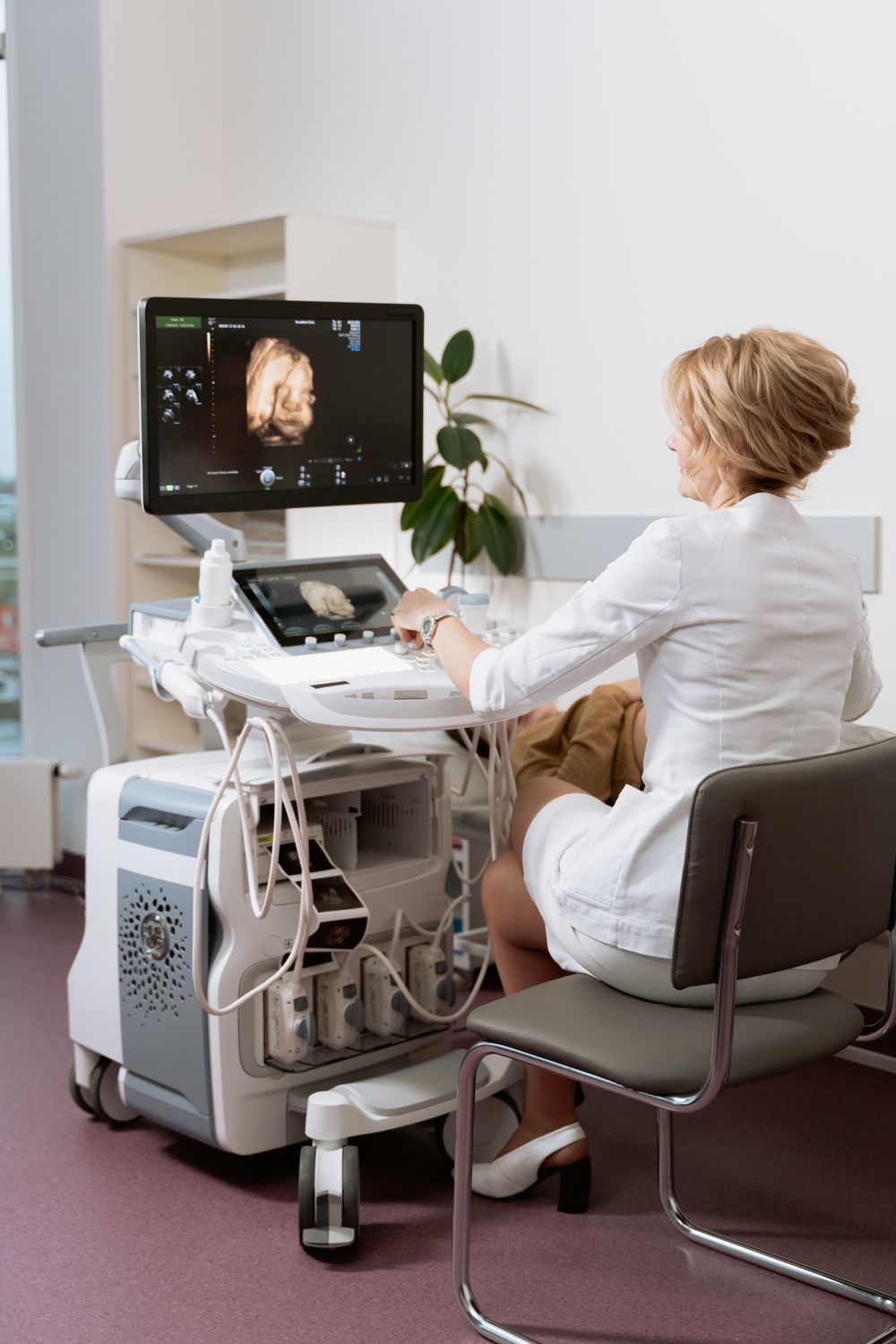
OBGYN is one of the most misunderstood and incorrectly coded specialties. Between global maternity billing, ultrasound bundling rules, preventive versus problem visits and strict payer documentation requirements, even small errors create massive revenue leakage.
What we bill for OBGYN
- Global maternity packages, plus antepartum-only and postpartum-only billing
- Vaginal delivery, caesarean and VBAC coded correctly
- Ultrasounds 76801 to 76817 by trimester and complexity, plus NT and growth scans
- Non-stress tests and biophysical profiles
- Colposcopy, LEEP, hysteroscopy, laparoscopy, D and C and ablation
- Hysterectomy and fertility-related billing
- IUD and Nexplanon insertion or removal, plus Depo injections
Denial traps we prevent
- Antepartum visits billed separately when already inside the global package
- Ultrasounds assumed bundled instead of billed by trimester
- Preventive and problem-oriented visits coded as one on the same day
- Modifier 25 violations on evaluation and management with a procedure
- High-risk monitoring code 59426 not billed when it applies

Urgent care lives on volume and speed. When charges sit for days, coding is rushed at month end and payer-specific rules are guessed at, a busy clinic quietly loses a meaningful share of every shift it works.
What we bill for Urgent Care
- Evaluation and management levels for new and established patients
- Global urgent care S-codes where the payer contract allows them
- Laceration repair, fracture care and splinting
- In-house rapid tests, labs and X-ray with correct component billing
- IV hydration and injections
- Occupational health, drug screens and physicals
Denial traps we prevent
- S-codes submitted to payers that do not recognise them
- Modifier 25 missing when a procedure is done on the same visit
- Place of service 20 and 11 mixed up across a claim batch
- Time-of-service collections not posted, so balances look outstanding

Dermatology billing lives and dies on documentation detail: lesion size, site, technique and intent. Two visits that look identical in the chart can differ by hundreds of dollars once coded correctly, and by a denial once coded loosely.
What we bill for Dermatology
- Lesion destruction and excision coded by size, site and benign or malignant status
- Shave, punch and incisional biopsies
- Mohs micrographic surgery by stage and block count
- Dermatopathology and specimen handling
- Phototherapy, acne surgery and intralesional injections
- Cosmetic services separated cleanly from medically necessary care
Denial traps we prevent
- Lesion size measured after excision instead of before
- Benign codes used where the pathology supports malignant
- Modifier 59 missing when multiple distinct lesions are treated
- Cosmetic work submitted to insurance and denied as non-covered

Pediatric billing is high volume, low margin and unforgiving on small errors. Vaccine administration units, screening add-ons and same-day sick visits are where most practices leave money behind week after week.
What we bill for Pediatrics
- Preventive well-child visits coded by age band
- Vaccine products plus administration 90460 and 90461 by component
- Developmental and autism screening 96110 and 96127
- Newborn care in hospital and first office visits
- Sick visits, in-office procedures and nebuliser treatments
- Vaccines for Children programme dosing tracked separately
Denial traps we prevent
- Administration units counted per vaccine instead of per component
- Screening tools bundled into the visit rather than billed as add-ons
- Modifier 25 missing on same-day sick and well visits
- Medicaid and commercial fee schedules applied to the wrong plan

Neonatal claims are among the highest dollar and highest scrutiny in medicine. The difference between an intensive care day and a critical care day is a documentation distinction, and payers audit it closely.
What we bill for Neonatology
- Initial and subsequent hospital care for the newborn, 99460 to 99463
- Neonatal intensive care 99477 to 99480 by weight band
- Neonatal critical care 99468 and 99469
- Delivery room attendance and newborn resuscitation 99465
- Umbilical line placement, intubation and surfactant administration
- Discharge day management and transfer coordination
Denial traps we prevent
- Critical and intensive care levels selected without matching documentation
- Procedures billed separately when they are bundled into the NICU day
- Birth weight not documented, so weight-based codes cannot be supported
- Concurrent care by multiple specialists not clearly delineated

Pathology revenue is decided by unit counting and component accuracy. Specimens, stains and interpretations each have their own rules, and a lab that gets them slightly wrong loses a slice of every single case.
What we bill for Pathology
- Surgical pathology 88300 to 88309 by specimen and complexity
- Special stains, immunohistochemistry and in-situ hybridisation
- Cytology and fine needle aspiration interpretation
- Molecular, genetic and companion diagnostic testing
- Clinical lab panels and send-out coordination
- Professional and technical components split correctly
Denial traps we prevent
- Units counted per container instead of per specimen
- 26 and TC components billed incorrectly for the setting
- CLIA certificate level not matching the tests performed
- Medical necessity and LCD requirements unmet on molecular panels

Critical care is billed on documented time, and time is exactly what gets recorded loosely in a busy unit. Add bundled procedures and concurrent care rules, and a large share of legitimate critical care revenue never makes it onto a claim.
What we bill for Critical Care
- Critical care time 99291 and the add-on 99292
- Ventilator management and airway support
- Central line, arterial line and Swan-Ganz placement
- Intubation, cardioversion and CPR
- Subsequent hospital care and discharge day management
- Split or shared visits documented to the payer’s standard
Denial traps we prevent
- Critical care time missing, vague or overlapping with another provider
- Bundled procedures billed separately on top of the critical care code
- Split or shared visit rules applied incorrectly
- Concurrent care by multiple specialists not justified by diagnosis

Pain management sits under constant payer scrutiny. Frequency limits, level and laterality reporting and guidance bundling rules mean that documentation which reads perfectly in the chart can still fail on the claim.
What we bill for Pain Management
- Epidural steroid and facet joint injections by level and approach
- Medial branch blocks and radiofrequency ablation
- Trigger point and large or small joint injections
- Spinal cord stimulator trials and permanent implants
- Fluoroscopic and ultrasound guidance where separately billable
- Urine drug testing under presumptive and definitive rules
Denial traps we prevent
- Bilateral and multi-level procedures reported with the wrong units
- Guidance billed separately when it is bundled into the primary code
- LCD frequency limits exceeded within the payer’s rolling period
- Prior authorisation missing for ablation and stimulator procedures

Endocrinology practices carry heavy chronic disease loads and a growing device component. Continuous glucose monitoring, pump management and education services are legitimate revenue that routinely goes unbilled or gets denied on frequency rules.
What we bill for Endocrinology
- Evaluation and management for diabetes, thyroid and metabolic disease
- CGM placement, training and interpretation 95249 to 95251
- Insulin pump initiation and ongoing management
- Diabetes self-management training and medical nutrition therapy
- Thyroid biopsy with ultrasound guidance
- Bone density scanning and osteoporosis management
Denial traps we prevent
- CGM interpretation billed more often than the payer allows
- Education hours exceeding the annual benefit without reauthorisation
- Modifier 25 missing on same-day evaluation and procedures
- Diagnosis linkage too weak to support medical necessity

Family practice revenue is decided by two things: whether the visit level matches the documentation, and whether the care management work already being done is actually billed. Most practices lose on both.
What we bill for Family Practice
- Preventive visits coded by age and new or established status
- Problem-oriented evaluation and management by time or medical decision making
- Annual wellness visits G0438 and G0439
- Chronic care management and behavioural health integration
- Immunisations, in-office procedures and point-of-care testing
- Telehealth visits with correct place of service and modifiers
Denial traps we prevent
- Preventive and problem visits on the same day without modifier 25
- Annual wellness visit billed as a standard preventive visit
- Visit level chosen by habit rather than by time or decision making
- Chronic care management work performed but never billed

Behavioural health billing is deceptively simple looking and heavily denied. Session length, add-on rules and telehealth requirements change by payer, and a single mismatch between the note and the code costs the whole session.
What we bill for Mental Health
- Psychiatric diagnostic evaluation 90791 and 90792
- Individual psychotherapy by session length 90832, 90834 and 90837
- Family, couples and group psychotherapy
- Evaluation and management with psychotherapy add-on codes
- Crisis psychotherapy and interactive complexity
- Medication management and telehealth sessions
Denial traps we prevent
- Session time not documented to support the length code billed
- Psychotherapy add-on used without a valid evaluation and management service
- Annual session limits reached without a reauthorisation request
- Telehealth place of service and modifier combinations set incorrectly

Nothing costs a GI practice more than the screening to diagnostic conversion. The procedure is right, the note is right, and the claim still fails because the intent was not carried into the coding.
What we bill for Gastroenterology
- Upper endoscopy with biopsy, dilation and haemostasis
- Screening and diagnostic colonoscopy
- Polypectomy coded by removal technique
- ERCP, EUS and capsule endoscopy
- Anaesthesia coordination and facility billing
- Biologic infusion therapy for inflammatory bowel disease
Denial traps we prevent
- Screening that becomes diagnostic without modifier PT or 33
- Polypectomy technique coded generically instead of by method
- Multiple endoscopy payment rules not applied to the claim
- Biologic drug units and wastage under-reported

ENT combines surgery, in-office procedures, diagnostic testing and allergy services in one practice. Each has its own bundling logic, and a general biller will flatten them into a lower-paying claim.
What we bill for ENT
- Nasal endoscopy, sinus surgery and balloon sinuplasty
- Tonsillectomy, adenoidectomy and myringotomy with tubes
- Laryngoscopy, stroboscopy and airway procedures
- Audiology, tympanometry and vestibular testing
- Allergy testing and immunotherapy by antigen unit
- Head and neck procedures with pathology coordination
Denial traps we prevent
- Bilateral procedures reported without modifier 50 or the payer’s equivalent
- Endoscopy codes bundled when they should be separately reportable
- Allergy antigen units counted incorrectly on immunotherapy claims
- Modifier 25 missing on evaluation with a same-day scope

Dental practices lose money in two places: claims routed to the wrong benefit, and claims sent without the narrative or radiograph the payer will inevitably ask for. Both are fixable before the claim ever leaves.
What we bill for Dental
- Preventive, diagnostic and restorative CDT procedures
- Crowns, bridges and prosthodontics
- Endodontics, periodontics and extractions
- Oral surgery and implant placement
- Medical crossover claims for trauma, pathology and sleep apnea appliances
- TMJ evaluation and treatment
Denial traps we prevent
- Procedures routed to dental benefits when medical coverage applies
- Narratives and radiographs not attached where the payer requires them
- Frequency limitations exceeded on preventive and diagnostic services
- Alternate benefit downgrades not reconciled against patient balances

DME denials are almost never about the code. They are about the paperwork behind it: the order, the face-to-face note, the proof of delivery and the modifier that tells the payer the coverage criteria were met.
What we bill for DME
- Mobility devices, wheelchairs and walking aids
- CPAP and BiPAP with ongoing supply replenishment
- Oxygen equipment and portable systems
- Orthotics, prosthetics and custom bracing
- Wound care supplies and negative pressure therapy
- Diabetic shoes, testing supplies and continuous monitors
Denial traps we prevent
- Detailed written order or face-to-face note missing from the file
- Modifier errors on KX, GA, RR and NU that change coverage entirely
- Proof of delivery not retained to the payer’s standard
- Capped rental months not tracked, so billing runs past the limit

Chiropractic is audited on one question: is this active treatment or maintenance care. The codes are few and simple. The documentation that justifies them is where practices win or lose the claim.
What we bill for Chiropractic
- Spinal manipulation 98940, 98941 and 98942 by regions treated
- Extraspinal manipulation 98943
- Therapeutic modalities and exercises where the plan covers them
- Initial examinations and periodic re-examinations
- Diagnostic X-ray with interpretation
- Massage and manual therapy where separately billable
Denial traps we prevent
- AT modifier missing, so active treatment reads as maintenance care
- Maintenance care billed to insurance instead of the patient
- Treatment plans and re-evaluations not on file when records are requested
- Therapy codes bundled into manipulation without a distinct service note

Primary care already performs most of the work that care management codes pay for. The gap is tracking and documentation. Close that gap and a mid-size practice adds a meaningful, recurring revenue line without seeing a single extra patient.
What we bill for Primary Care
- Evaluation and management, preventive visits and annual wellness visits
- Chronic care management 99490 and 99439, plus principal care management
- Transitional care management 99495 and 99496
- Remote patient monitoring 99453 to 99458
- Behavioural health integration and collaborative care
- Immunisations, in-office procedures and point-of-care labs
Denial traps we prevent
- Care management minutes not tracked, so the code cannot be supported
- Patient consent for chronic care management not documented
- Transitional care contact missed inside the two business day window
- Remote monitoring device day counts falling under the billing threshold

Neurosurgery claims are large, layered and easy to underbill. Add-on levels, co-surgeon roles and staged procedures all carry their own reporting rules, and each one missed removes a five figure line from the claim.
What we bill for Neurosurgery
- Laminectomy, discectomy and decompression procedures
- Spinal fusion with instrumentation, reported by level
- Craniotomy and tumour resection
- Shunt placement and revision
- Spinal cord stimulator and neurostimulator implants
- Co-surgeon, assistant surgeon and staged procedure scenarios
Denial traps we prevent
- Add-on levels not reported alongside the primary fusion code
- Modifier 62, 80 or 82 missing on multi-surgeon cases
- Staged procedure 58 and unplanned return 78 used interchangeably
- Approach codes bundled when they are separately reportable

Anesthesia is billed in units, and units are built from time. Rounding conventions, direction modifiers and concurrency rules mean two identical cases can pay very differently depending on how they were reported.
What we bill for Anesthesiology
- Base units plus anesthesia time converted to billable units
- Medical direction and supervision modifiers AA, QK, QY, QX and QZ
- Monitored anaesthesia care and its documentation requirements
- Regional blocks for post-operative pain, billed separately where allowed
- Obstetric anesthesia including labour epidurals
- Qualifying circumstances and physical status modifiers
Denial traps we prevent
- Anesthesia time rounded inconsistently across the case list
- Direction modifiers applied without matching concurrency documentation
- Post-operative blocks bundled into the anesthesia service
- Physical status modifiers omitted on higher risk patients

Pulmonology mixes office visits, diagnostic testing, procedures and sleep medicine. Each has different component and frequency rules, and testing is where the majority of the practice’s denials quietly accumulate.
What we bill for Pulmonology
- Spirometry and full pulmonary function testing with pre and post bronchodilator
- Bronchoscopy with biopsy, lavage or endobronchial ultrasound
- In-lab sleep studies and home sleep apnea testing
- CPAP titration and ongoing therapy management
- Pulmonary rehabilitation sessions
- Critical care and ventilator management in the inpatient setting
Denial traps we prevent
- Pre and post bronchodilator components not billed as performed
- Bronchoscopy add-on procedures bundled into the base code
- Sleep study technical and professional components split incorrectly
- Pulmonary rehabilitation session limits exceeded within the benefit year

Radiology revenue turns on component billing. The same study pays very differently depending on who owns the equipment, who read it and where it was performed. Get the split wrong and the claim either underpays quietly or duplicates a charge the facility has already billed.
What we bill for Radiology
- Plain film, fluoroscopy and contrast studies
- CT, MRI and MRA, with and without contrast
- Ultrasound including vascular and obstetric studies
- Nuclear medicine and PET imaging
- Interventional radiology and image guided procedures
- Screening and diagnostic mammography with computer aided detection
- Professional and technical components split correctly by place of service
Denial traps we prevent
- Modifier 26 and TC applied incorrectly for the setting
- Contrast studies billed as without contrast, or both versions billed together
- Bilateral studies reported without modifier 50 where the payer requires it
- A screening study that becomes diagnostic without the correct modifier
- Global billing submitted when the facility has already claimed the technical component

Neurology combines long evaluation and management visits with technically complex diagnostic testing. Both are audited and both are routinely undercoded: the visit because time and decision making are not documented, the testing because the components are never billed separately.
What we bill for Neurology
- Extended evaluation and management for epilepsy, multiple sclerosis, Parkinson’s and headache
- EEG: routine, prolonged and video monitoring
- EMG and nerve conduction studies reported by extremity
- Evoked potentials and autonomic function testing
- Botulinum toxin injections for chronic migraine and dystonia
- Infusion therapy for multiple sclerosis and neuroimmune conditions
- Sleep study interpretation and follow-up
Denial traps we prevent
- Nerve conduction units miscounted against the study actually performed
- EEG professional and technical components not split for the setting
- Botulinum toxin drug units and wastage under-reported
- Prolonged service codes omitted on genuinely long encounters
- Time and medical decision making not documented to support the visit level
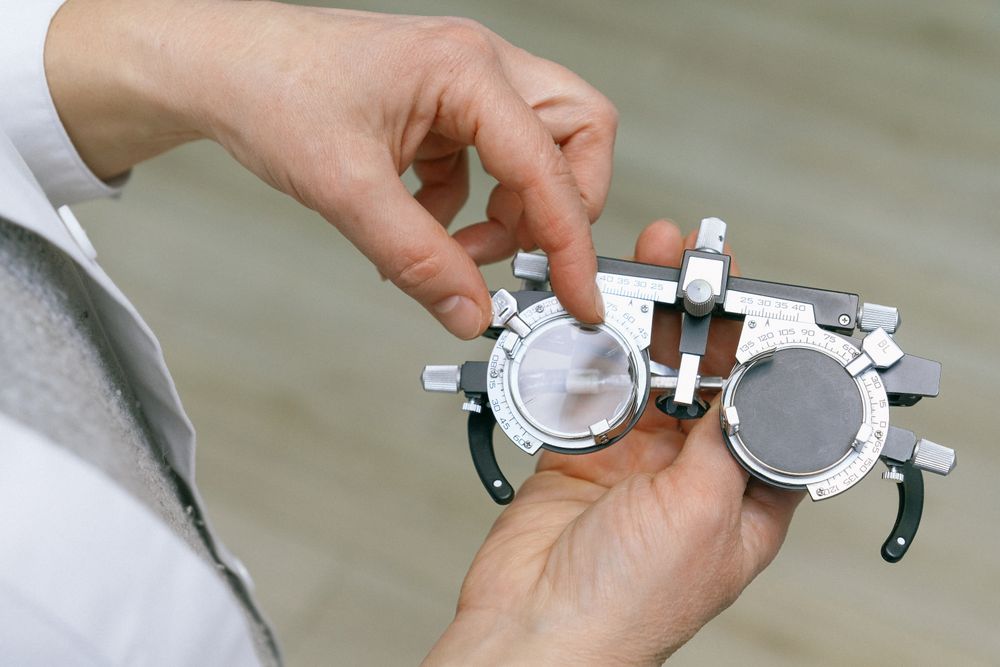
Ophthalmology has its own parallel family of codes. Choosing between the eye codes and standard evaluation and management codes changes what the visit pays, and the right choice depends on the payer and the documentation rather than on habit.
What we bill for Ophthalmology
- Comprehensive and intermediate eye examinations
- Evaluation and management visits where they reimburse better
- OCT, visual fields and fundus photography
- Cataract surgery with intraocular lens implantation
- Intravitreal injections and retinal procedures
- Laser procedures including YAG capsulotomy and SLT
- Refractions and other non-covered services billed to the patient
Denial traps we prevent
- Eye codes used where evaluation and management would have paid more, or the reverse
- Testing frequency limits exceeded within the payer’s rolling period
- Modifier 24 or 79 missing for unrelated care inside a global period
- Bilateral procedures reported with the wrong modifier or unit count
- Refraction submitted to insurance instead of collected from the patient

Podiatry is denied on coverage far more often than on coding. Routine foot care is excluded unless a qualifying systemic condition is documented and linked, and the modifiers that establish it are where most practices lose the claim.
What we bill for Podiatry
- Nail debridement, callus and corn removal
- Routine foot care supported by a qualifying systemic condition
- Diabetic foot examinations and therapeutic shoe fitting
- Wound care, debridement and skin substitute application
- Bunion, hammertoe and other forefoot surgery
- Injections for plantar fasciitis and Morton’s neuroma
- Custom orthotics and related durable medical equipment
Denial traps we prevent
- Q7, Q8 and Q9 modifiers missing on routine foot care claims
- The qualifying systemic condition not documented, or not linked to the service
- Debridement count and depth not supported by the operative note
- Therapeutic shoe documentation incomplete for the supplier to bill
- Active treatment billed where the payer considers the care maintenance
No specialty matched that search. Contact us and we will confirm coverage.
Challenges we solve, whatever your specialty
The names change from one specialty to the next. The revenue leaks do not.
| Common challenge | How Reveno MD fixes it |
|---|---|
| Claim denials and delays | 97% clean claim rate through pre-submission audits and a specialty rules engine |
| Complex procedure billing | Coders credentialed in your specialty, not a shared general billing pool |
| Revenue leakage | We identify and bill underused codes such as CCM, TCM and RPM |
| Payer credentialing delays | Fast-track credentialing and enrolment with your top insurers |
| Prior authorisation bottlenecks | Requested, tracked and extended so treatment is never held up |
| Compliance gaps | Full HIPAA, MIPS and CMS adherence with ongoing monitoring and audits |
| Staff turnover issues | A dedicated revenue cycle manager plus transparent performance reporting |
What changes in the first 90 days
Averaged across specialty practices that moved their billing to Reveno MD.
Before Reveno MD
Typical starting positionAfter Reveno MD
Within 90 daysWhy general billing companies fail specialty practices
A general biller can process a claim. Only a specialty coder knows which claim should have been higher.
Specialty-certified coders
Every claim is worked by someone credentialed in your field, so modifiers, bundling rules and add-on codes are applied correctly the first time.
Proactive denial prevention
Errors are caught before submission with a specialty rules engine, so you are not appealing claims that should never have been denied.
Technology-driven RCM
Automated claim scrubbing, real-time dashboards and payer rule updates keep claims clean, compliant and paid faster.
Prior authorisation done right
We request, verify, track and extend authorisations so your schedule never empties and high-cost procedures are never held up.
Full revenue transparency
Real-time claim dashboards, monthly strategy calls and provider-level productivity reporting. Every dollar visible, every claim traceable.
A dedicated account manager
One named person who knows your practice and your payers, with a small team behind them. No ticket queue and no rotating call centre.
Live in 10 to 14 days, with zero interruption
We coordinate everything with your current billing company, so no claim is lost in the handover.
Free revenue diagnostic
Denial root-cause analysis, an undercoding report and a full breakdown of the revenue you can realistically recover.
Seamless transition
Payer enrolment, credential transfers and system integration handled for you. Zero downtime and zero lost claims.
Revenue acceleration
Clean submissions from day one, prior auth bottlenecks removed, A/R reduced and denials worked within 24 to 48 hours.
Continuous optimisation
Monthly audits, quarterly deep-dive sessions and ongoing coding updates as payer rules change.
What specialty practices say
“Reveno MD turned around our nephrology billing in less than two months. Collections increased and denials dropped drastically. Their understanding of dialysis billing alone has saved us thousands.”
“We thought things were fine. Turns out we were losing $30K monthly. Reveno MD fixed it within the first month.”
“We did not realise how much revenue was leaking until Reveno MD fixed our infusion billing. It is night and day.”
“Reveno MD found errors our previous billers did not even know existed. Our maternity billing is finally stable and predictable.”
Before you hand over your specialty billing
10 to 14 days with zero claim interruption. We coordinate the handover with your current billing company, run both systems in parallel during the transition and make sure nothing in flight is lost.
Very likely yes. The specialties above are the ones we bill most often, but our coders cover a wider range including sub-specialties and multi-specialty groups. Send us a sample of your top CPT codes and we will confirm coverage within a day.
No. We work inside the system you already use, including athenahealth, eClinicalWorks, Kareo or Tebra, AdvancedMD, DrChrono and NextGen. Nothing needs to be migrated.
A flat percentage of net collections, so we are paid only when you are paid. There are no setup fees, no per-claim charges and no fees on uncollected or permanently denied claims.
A named account manager plus a small team of coders credentialed in your specialty. Not a shared pool, and not a rotating call centre. You get their direct contact details on day one.
A written review of your clean claim rate, denial reasons by root cause, A/R buckets, payer mix and undercoding patterns, with an estimate of recoverable revenue. No obligation and no contract required to receive it.
Performance is reviewed on a fixed schedule with agreed targets for clean claim rate, denial rate and days in A/R. If the numbers do not move, we escalate internally and rework the approach at our cost.